

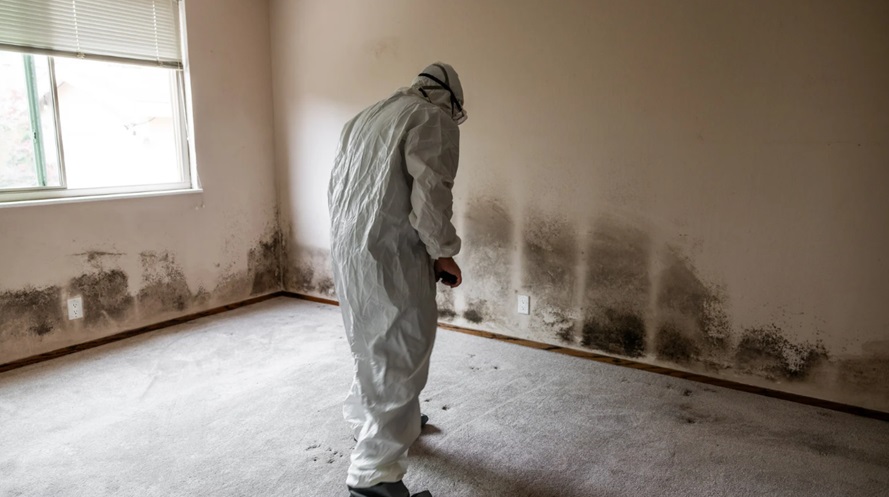
Mold can be a silent but serious issue for homeowners, especially when it’s time to sell. From damaging property to creating health concerns, mold growth can significantly impact a home’s marketability. However, professional mold remediation can help turn that liability into an opportunity. For sellers considering mold remediation in Lawrenceville, GA, understanding how remediation influences resale value is key to making informed decisions.
Here’s how properly addressing mold problems can protect and even enhance your home’s worth during a sale.
Mold Detection Is a Dealbreaker for Buyers
Homebuyers are increasingly aware of indoor air quality and environmental health risks. Even a small sign of mold—whether visible on walls or flagged during an inspection—can make buyers walk away or lower their offer substantially. Mold indicates neglect and raises concerns about hidden damage or future health issues.
A home with a documented mold problem, especially one left untreated, is likely to receive fewer offers and spend more time on the market.
Professional Remediation Restores Buyer Confidence
When mold is discovered, the best response is prompt, professional remediation. Experts assess the full scope of contamination, remove it thoroughly, and repair affected materials. They also take steps to ensure that the root cause—often moisture or poor ventilation—is resolved.
Once complete, reputable companies often provide written clearance or inspection reports that confirm the home is mold-free. These documents can be shown to prospective buyers, helping to restore trust and transparency in the transaction.
Impact on Resale Value
While mold presence may reduce home value, mold remediation—especially when handled professionally—can stabilize or even improve resale prospects. Buyers are more likely to make competitive offers when they know the issue has been responsibly addressed.
A home that has undergone professional remediation may not fetch a premium compared to a mold-free property, but it will typically perform better than one with untreated or DIY-handled mold issues. It’s also important to remember that disclosing past mold problems (and proof of remediation) builds credibility with potential buyers and agents.
Appraisal and Lending Considerations
Mold can also affect a home’s appraised value. Appraisers are trained to identify visual signs of water damage or mold. If they note the presence of mold, it can lower the valuation or result in conditional appraisals, which complicate lending.
Banks and mortgage lenders may be reluctant to finance a home with unresolved mold concerns. However, completed mold remediation services can help clear these concerns, allowing financing and closing to proceed without delays.
Long-Term Value and Prevention
Beyond immediate resale, investing in mold remediation protects long-term property value. Unchecked mold can spread behind walls, into insulation, and across HVAC systems, leading to escalating repair costs down the line. Addressing it promptly keeps future maintenance expenses low and supports the integrity of the structure.
Buyers also view homes with clear maintenance histories—including mold remediation—as better-kept and less risky investments.
Read more: The Role of Mold Remediation in Preventing Long-Term Health Issues
Conclusion
Mold may negatively affect a home’s resale value, but professional remediation can reverse much of that impact. By removing the hazard, restoring the space, and providing proper documentation, sellers can reassure buyers and maintain strong market appeal. Choosing mold remediation ensures the issue is handled safely and thoroughly, giving your home the best possible chance at a successful sale.