




Common Locations of Asbestos in Foundations
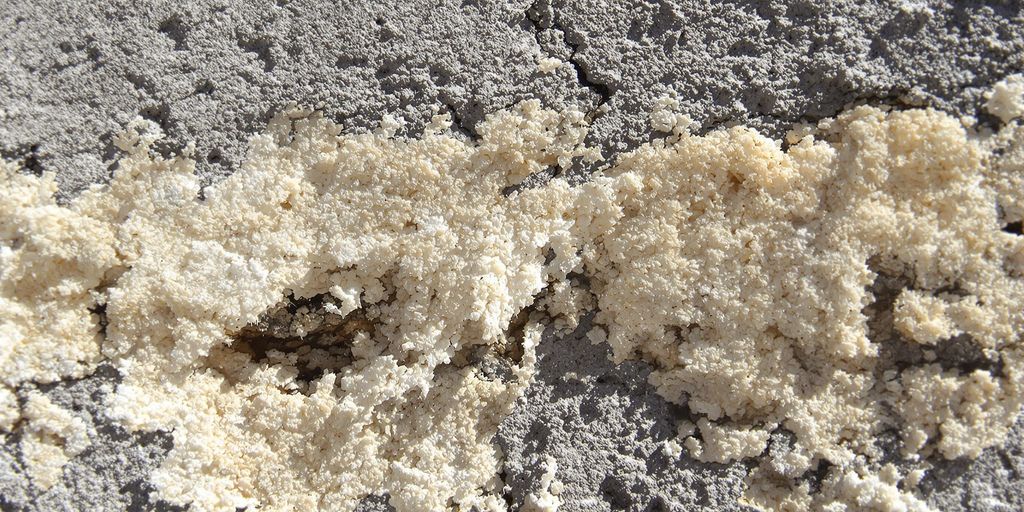
Asbestos can often be found in older home foundations, particularly in materials like cement, insulation, and sealants. These materials were chosen for their durability and fire-resistant properties. Some common areas include:
- Cement sheeting used in foundation walls.
- Insulation around pipes and ducts embedded in the foundation.
- Sealants applied to joints or cracks to prevent water infiltration.
If your home was built before the 1980s, there’s a significant chance asbestos-containing materials (ACMs) were used in the foundation.
Historical Use of Asbestos in Construction Materials
In the mid-20th century, asbestos was a go-to material for construction due to its affordability and resistance to heat and chemicals. It was especially popular in:
- Cement products, including foundation blocks and panels.
- Adhesives and sealants for waterproofing.
- Insulation materials for temperature regulation.
This widespread use has left a legacy of asbestos in homes built during that era, making it essential to understand its risks today.
Identifying Asbestos in Foundation Components
Identifying asbestos in your foundation is not always straightforward. While some materials, like old cement sheets, may be visually suspect, professional testing is often required to confirm the presence of asbestos. Key steps include:
- Avoid disturbing any suspect materials to prevent the release of fibers.
- Consult a certified asbestos professional for testing and assessment.
- Use laboratory analysis to confirm whether the material contains asbestos.
Remember, asbestos exposure is linked to severe health issues, including mesothelioma and lung cancer. Always exercise caution when dealing with potential ACMs.
Health Risks Associated With Asbestos in Structural Components
Respiratory Diseases Linked to Asbestos Exposure
Asbestos exposure is directly linked to several severe respiratory conditions. When asbestos fibers are inhaled, they can lodge deep into the lungs, causing inflammation and scarring over time. This can lead to diseases like asbestosis, a chronic lung condition marked by shortness of breath and irreversible lung damage. Additionally, lung cancer and mesothelioma, a rare but aggressive form of cancer, are strongly associated with prolonged asbestos exposure. Even small amounts of inhaled fibers can increase the risk of these diseases.
Long-Term Effects of Asbestos Inhalation
The effects of asbestos exposure often take decades to manifest, making early detection challenging. Once inhaled, the microscopic fibers can remain in the body indefinitely, causing cellular damage over time. This prolonged exposure can trigger genetic mutations, leading to cancer in the lungs, larynx, or other organs. Symptoms like persistent coughing, chest pain, and fatigue often appear too late, making treatment difficult. The latency period for asbestos-related illnesses can range from 10 to 50 years, emphasizing the silent danger of exposure.
Vulnerable Populations and Risk Factors
Certain groups are more vulnerable to asbestos-related health risks. Occupations like construction, mining, and manufacturing historically exposed workers to high levels of asbestos. Even today, individuals involved in renovation or demolition of older buildings may face significant risks. Additionally, family members of these workers can be exposed through fibers carried home on clothing. Factors such as smoking, prolonged exposure, and a weakened immune system can further elevate the risk of developing asbestos-related diseases.
How to Identify Asbestos in Home Structural Elements
Visual Indicators of Asbestos-Containing Materials
Identifying asbestos visually can be tricky since it was often mixed into various construction materials. Some common places where asbestos might be found include older insulation, textured ceilings, and certain types of floor tiles. For example, asbestos wool insulation often appears white or off-white, with a soft, fibrous texture. However, visual inspection alone cannot confirm the presence of asbestos. Materials like old ceiling tiles or floor adhesives may look ordinary but could still contain asbestos.
Professional Testing for Asbestos
When in doubt, professional testing is the most reliable way to determine if a material contains asbestos. Certified asbestos inspectors can take samples safely and send them to a lab for analysis. Alternatively, in states where it’s legal, at-home testing kits are available. These kits typically involve collecting a small sample and mailing it to a lab for results. While convenient, it’s important to follow all safety precautions during sample collection to avoid exposure.
Common Misconceptions About Asbestos Identification
- Myth: You can always tell if something contains asbestos by looking at it.
- Reality: Asbestos fibers are microscopic and often hidden in materials.
- Myth: Asbestos is only found in insulation.
- Reality: It can also be present in flooring, roofing, and even adhesives.
- Myth: Modern homes are free of asbestos.
- Reality: While less common, asbestos-containing materials can still be found in homes built after the 1980s due to leftover stock or imports.
If you suspect asbestos in your home, it’s always safer to consult a professional rather than rely on assumptions or incomplete information.
The Role of Asbestos in Insulation and Fireproofing
Why Asbestos Was Used in Insulation
Asbestos became a go-to material for insulation during much of the 20th century due to its unique ability to resist heat and fire. Its fibrous structure made it an effective barrier against heat transfer, helping to lower heating and cooling costs in buildings. This natural mineral was also highly durable and resistant to chemical corrosion, making it an attractive choice for manufacturers. Common insulation types containing asbestos included loose-fill, spray-on, and block insulation. These materials were widely used in attics, walls, and around pipes, particularly in older homes and industrial settings.
Fireproofing Applications in Older Homes
In addition to its insulating properties, asbestos was heavily relied upon for fireproofing. It was often mixed with other materials to create fire-resistant coatings, cement, and boards. For instance, spray-applied asbestos was frequently used on steel beams and ceilings in homes and commercial buildings to slow the spread of fire. Its fireproofing qualities were especially valued in high-risk areas, such as boiler rooms or near heating systems. However, the very same fibers that made asbestos effective also posed significant health risks when disturbed, as they could become airborne and inhaled.
Risks of Disturbing Asbestos-Containing Insulation
While asbestos-containing insulation and fireproofing materials are generally safe when intact, disturbing them during renovations or damage can release harmful fibers into the air. These fibers are invisible to the naked eye and can linger in the air for long periods, posing a serious health risk. Homeowners should be cautious when dealing with older insulation, particularly if it appears damaged or deteriorating. Steps to minimize exposure include:
- Avoiding DIY removal of suspected asbestos-containing materials.
- Consulting with certified asbestos abatement professionals for testing and removal.
- Sealing off areas where asbestos may be present to prevent accidental disturbance.
Understanding the role asbestos played in insulation and fireproofing highlights why it was so widely used, but also underscores the importance of managing it safely today. For more information on the health risks posed by asbestos in building materials, see asbestos in building materials poses a health risk and asbestos’s fire-resistant properties in older homes.
Regulations and Guidelines for Managing Asbestos in Homes
Federal and State Asbestos Regulations
Managing asbestos in homes requires strict adherence to various federal and state laws. The Environmental Protection Agency (EPA) oversees key regulations, such as the Asbestos Hazard Emergency Response Act (AHERA) and the Clean Air Act (CAA), which outline proper handling and removal practices. State laws often add another layer of requirements, making it essential for homeowners to consult local authorities to stay compliant. For a detailed understanding of these laws, refer to a comprehensive listing of laws and regulations related to asbestos.
Safe Practices for Handling Asbestos
When dealing with asbestos, safety should be the top priority. Homeowners are advised to:
- Avoid disturbing materials that might contain asbestos.
- Use certified professionals for testing and abatement.
- Follow EPA-recommended practices, including sealing off affected areas and using protective equipment.
Legal Obligations for Homeowners
Homeowners have specific legal duties when asbestos is present. These obligations include disclosing known asbestos materials during property sales and ensuring safe handling during renovations. Non-compliance can lead to fines and legal action, emphasizing the importance of staying informed and proactive.
Steps to Safely Remove Asbestos From Home Foundations
When to Consider Professional Removal Services
Removing asbestos is not a task to take lightly. Asbestos fibers are hazardous when airborne, which is why professional removal services are often the safest choice. Certified asbestos abatement professionals follow strict protocols to minimize risks, like sealing off contaminated areas and using specialized equipment. Hiring experts ensures compliance with regulations and protects everyone involved. Before attempting any removal, check with local authorities for approved contractors and guidelines.
DIY Asbestos Removal: Risks and Precautions
While DIY asbestos removal is possible in some areas, it comes with significant risks. If you decide to proceed, follow these steps:
- Equip yourself with protective gear, including a respirator, gloves, and disposable coveralls.
- Wet the asbestos-containing material to reduce dust and prevent fibers from becoming airborne.
- Seal off the work area with plastic sheeting to contain any debris.
Remember, improper handling can lead to severe health consequences. Always consult your local health department to ensure you’re following legal and safety requirements.
Disposal Guidelines for Asbestos Materials
Disposing of asbestos materials requires careful planning. Never toss asbestos waste into regular trash bins. Instead:
- Double-bag the material in heavy-duty, labeled plastic bags.
- Transport the waste to a licensed disposal facility approved to handle hazardous materials.
- Keep all documentation, as some jurisdictions require proof of proper disposal.
Following these steps minimizes exposure and ensures that asbestos is handled responsibly, protecting both people and the environment.
Alternatives to Asbestos in Modern Construction
Eco-Friendly Insulation Options
When it comes to insulation, modern construction has embraced safer, environmentally friendly alternatives to asbestos. Cellulose insulation, for example, is made from recycled paper products and treated to resist fire and pests. It’s a sustainable choice that doesn’t compromise on performance. Another option is sheep’s wool, which not only provides excellent thermal insulation but is also biodegradable. For homeowners seeking durability, mineral wool and cotton insulation are excellent choices. These materials avoid the health risks associated with asbestos while offering comparable insulating properties.
Fire-Resistant Materials Without Asbestos
Fire resistance was one of the main reasons asbestos was widely used, but today, there are safer substitutes. Materials like amorphous silica fabrics are highly heat-resistant and suitable for various structural applications. Polyurethane foam, commonly used in modern homes, also provides a fire-resistant solution while being lightweight and versatile. Additionally, cementitious coatings and fire-resistant drywall are now standard in many constructions, ensuring safety without the hazards of asbestos exposure.
Cost Comparisons of Asbestos Alternatives
Switching to asbestos-free materials doesn’t always mean higher costs. While some eco-friendly options like cellulose insulation may initially seem pricier, their long-term benefits often outweigh the upfront investment. For instance, these materials typically require less maintenance and pose no health risks, reducing potential medical or legal expenses. Homeowners should consider the durability, safety, and ease of installation when evaluating costs. Ultimately, the peace of mind these alternatives bring makes them a worthwhile choice for modern construction.
The History of Asbestos Use in Residential Construction
Early Adoption of Asbestos in Building Materials
Asbestos has been used in construction for centuries, but its widespread adoption in residential building materials began in the early 20th century. Builders were drawn to its heat resistance, durability, and affordability. Products like asbestos-cement panels, first patented in 1900, quickly became popular. These lightweight panels offered fireproofing and strength without the bulk of traditional materials. By the mid-1900s, asbestos was found in everything from insulation and roofing to siding and floor tiles. Its versatility made it a staple in home construction.
Decline of Asbestos Use in the Late 20th Century
The decline of asbestos use started in the 1970s when its health risks became widely known. Studies linked asbestos exposure to severe diseases like mesothelioma and asbestosis, leading to public outcry. Governments worldwide began imposing bans and restrictions. For example, Denmark banned asbestos for insulation in 1972, and the U.S. followed with a ban on spray-applied surfacing in 1973. Significant events like these marked the beginning of the end for asbestos in residential construction. By the 1980s, safer alternatives had largely replaced asbestos in most building materials.
Impact of Asbestos on Modern Building Codes
The legacy of asbestos continues to influence modern building codes. Strict regulations now govern the handling and removal of asbestos-containing materials. Builders are required to use safer, non-toxic alternatives. These changes aim to protect both construction workers and homeowners from exposure. While asbestos is no longer widely used, its past prevalence means that many older homes still contain it, necessitating careful management during renovations or demolitions.
Preventing Asbestos Exposure During Home Renovations
Precautions Before Starting Renovation Projects
Renovating a home built before the 1980s? Start by checking for asbestos. Disturbing asbestos-containing materials releases harmful fibers into the air. It’s important to identify areas like old floor tiles, popcorn ceilings, and insulation that might contain asbestos. Consult with a licensed asbestos surveyor to assess your home. They’ll take samples and send them to a lab for analysis. Hiring a licensed asbestos surveyor is the safest way to proceed.
Tools and Equipment for Safe Renovation
If asbestos is present, you’ll need the right tools to minimize risks. Use protective gear like respirators, disposable coveralls, and gloves. Wetting the material can help reduce airborne fibers. However, avoid using power tools on asbestos-containing materials, as they can release fibers into the air. Remember, even with precautions, it’s safer to leave removal to professionals.
Hiring Certified Asbestos Abatement Professionals
For most homeowners, this is the best option. Certified professionals follow strict safety protocols, using specialized equipment to remove or encapsulate asbestos safely. They also handle disposal, following local and federal regulations. If you’re planning a project, learn how to identify and manage asbestos to protect yourself and your family.
Common Myths About Asbestos in Home Foundations
Myth: Asbestos Is Only Found in Older Homes
Many people believe that asbestos is a problem exclusive to homes built before the 1980s. While it’s true that older homes are more likely to contain asbestos, this doesn’t mean newer homes are entirely free from it. Some construction materials containing asbestos were still used into the early 2000s. Even today, asbestos-containing products can legally be sold in the U.S. under certain conditions. This means homeowners should remain cautious, regardless of their home’s age.
Myth: Asbestos Is Harmless When Undisturbed
It’s often said that asbestos is safe as long as it remains intact and undisturbed. While this is partially true, it’s not the whole story. Over time, wear and tear can cause materials containing asbestos to degrade, releasing fibers into the air without any obvious disturbance. For example, vibrations from heavy machinery or even routine household activities can unintentionally dislodge asbestos fibers. This is why professional inspections are crucial, even if the material appears undamaged.
Myth: All Insulation Contains Asbestos
Not all insulation materials contain asbestos, but some specific types, like vermiculite insulation, are known to often include it. Homeowners frequently confuse all insulation with asbestos-containing products, leading to unnecessary panic or, conversely, a false sense of security. It’s essential to identify the exact type of insulation present in your home. Professional testing is the only reliable way to confirm whether asbestos is present.
The Science Behind Asbestos-Related Health Issues
How Asbestos Fibers Affect the Lungs
When asbestos fibers are inhaled, they can settle deep in the lung tissue. These tiny, needle-like particles are difficult for the body to expel, leading to irritation and inflammation over time. This persistent irritation can cause scarring in the lungs, a condition known as asbestosis. The scarring reduces lung elasticity, making it harder to breathe. Additionally, the fibers may trigger abnormal cell growth, which can lead to tumors and other severe complications.
The Link Between Asbestos and Cancer
Asbestos exposure is directly linked to certain types of cancer, most notably mesothelioma and lung cancer. Mesothelioma, a rare but aggressive cancer, exclusively results from asbestos exposure. The disease affects the lining of the lungs or abdomen and often takes decades to manifest. Lung cancer related to asbestos exposure shares similarities with smoking-related lung cancer but is caused by the inhalation of asbestos fibers. Workers exposed to asbestos who also smoke face an even higher risk, as studies have shown a compounding effect between the two risk factors. Researchers have documented this heightened vulnerability extensively.
Scientific Studies on Asbestos Exposure
Decades of research have established the dangers of asbestos exposure. Studies reveal that even brief exposure to asbestos can lead to long-term health issues due to its latency period, which can span 20 to 50 years. During this time, microscopic fibers remain lodged in the body, causing ongoing cellular damage. Research has also identified other asbestos-related conditions, such as ovarian cancer, laryngeal cancer, and pleural plaques. These findings emphasize the importance of minimizing exposure and implementing strict safety measures in environments where asbestos may still be present.
Economic and Legal Implications of Asbestos in Homes
Impact on Property Values
The presence of asbestos in a home can significantly affect its market value. Buyers are often wary of homes with asbestos due to the potential health risks and the high costs of removal. Homes with confirmed asbestos issues may see their value drop by thousands of dollars, depending on the extent of contamination. Sellers may also face additional expenses for inspections and disclosures, which are often required by law. For buyers, the cost of remediation is typically factored into negotiations, making asbestos a key point of contention in property transactions.
Legal Recourse for Asbestos-Related Illnesses
Individuals who develop illnesses linked to asbestos exposure, such as mesothelioma or asbestosis, may have legal options to seek compensation. Lawsuits can target manufacturers of asbestos-containing products, landlords who failed to disclose asbestos risks, or contractors who improperly handled materials. In some cases, large settlements or trust funds have been established to compensate victims. However, navigating these legal pathways can be complex, requiring substantial evidence of exposure and its link to a specific illness.
Insurance Coverage for Asbestos Removal
Homeowners’ insurance policies often exclude coverage for asbestos removal, labeling it as a pre-existing condition or a maintenance issue. This can leave homeowners shouldering the full cost of professional abatement, which can range from a few thousand to tens of thousands of dollars. Some specialized insurance policies or riders may cover asbestos-related claims, but these are less common and may come with higher premiums. Homeowners should carefully review their insurance terms to understand their financial responsibilities when dealing with asbestos.
Recommended Materials
Robert King Mesothelioma Law Services