

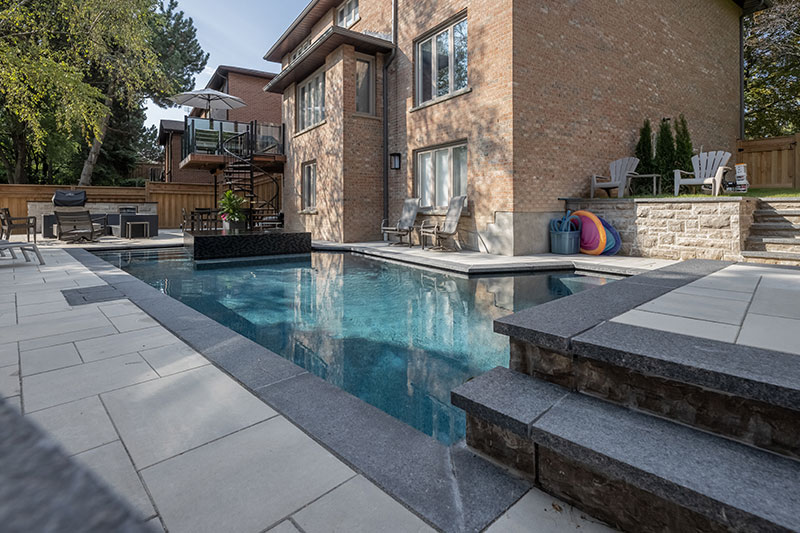
Scope prevents awkward gaps
A pool project involves excavation, structure, plumbing, equipment, electrical coordination, decking, grading, fencing, landscaping, and inspections. If the scope is unclear, homeowners may discover late that important pieces sit between trades.
The proposal should state what the pool contractor handles directly, what is coordinated with others, and what remains the homeowner’s responsibility. Clear boundaries make the schedule easier to manage.
Standalone pool work still needs standards
Jameson Pool & Spa’s Just The Pool program is aimed at homeowners who already have a design or landscaper and need a high-quality standalone pool built as part of a larger backyard plan.
In that scenario, the pool contractor should still explain structure, equipment, plumbing, access needs, and support after the build. A standalone scope should not mean a stripped-down conversation about quality.
Ask about coordination points
Important coordination points include excavation access, spoil removal, equipment location, patio elevations, drainage, fence timing, electrical work, inspections, and when other trades can safely return. Those steps should be visible before construction starts.
Homeowners should also ask who makes decisions if the landscape plan conflicts with pool performance. The answer should not be improvised during excavation.
Aftercare belongs in the decision
A pool remains a mechanical system after the landscaper leaves. Service, seasonal openings and closings, equipment troubleshooting, and liner care all affect the ownership experience.
Scope is easier to compare when the underlying structure is visible, and a pool structure overview gives owners language for steel walls, concrete, plumbing pressure tests, gravel backfill, drainage, and replaceable liners.
The right scope includes enough construction detail to build well and enough service thinking to support the pool after the backyard looks finished.