

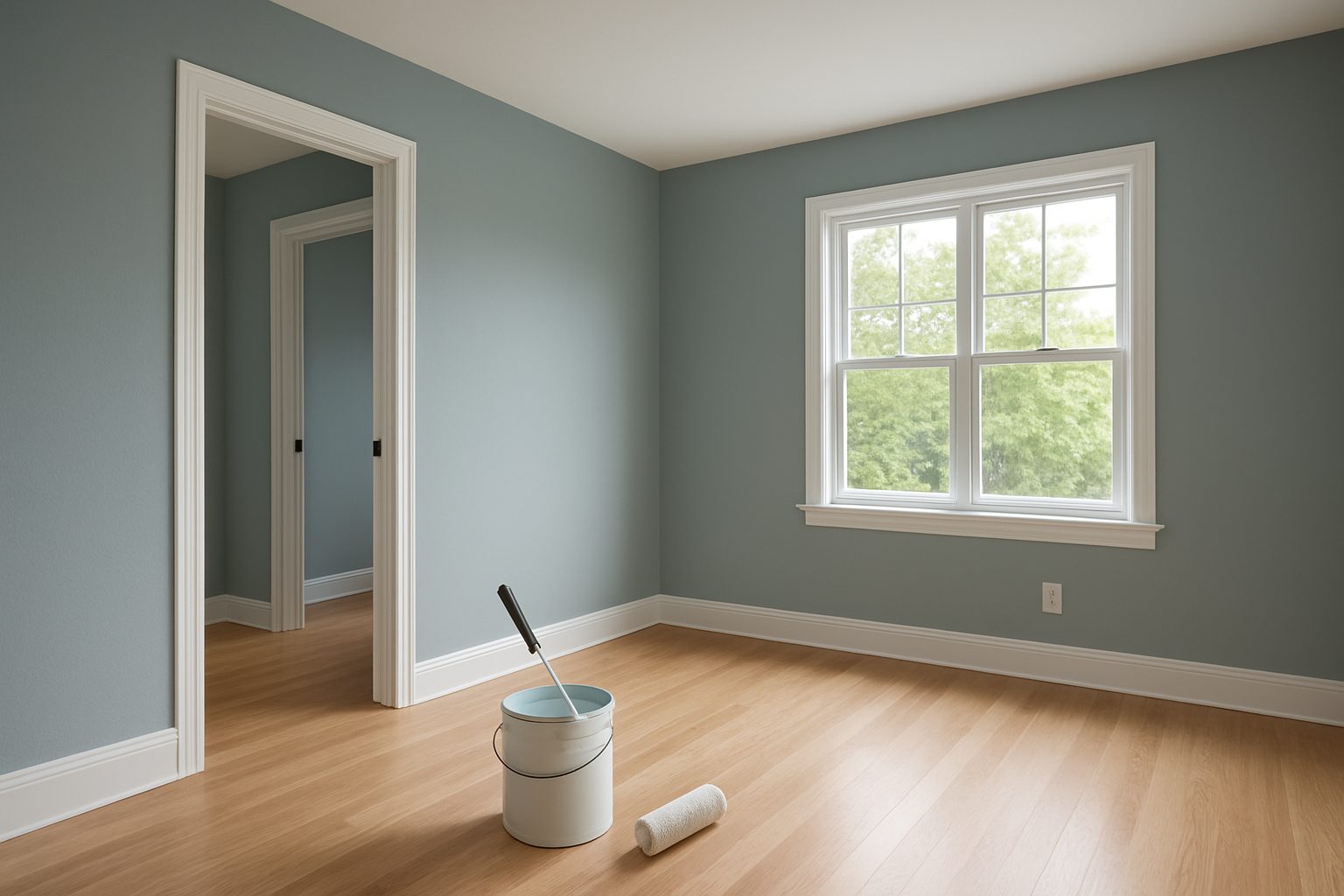
There’s a moment every homeowner knows—standing in a freshly painted room, looking at clean, crisp walls, and feeling like the whole house has been renewed. It’s a feeling that’s hard to put a number on, but it’s very real. And it doesn’t happen by accident. The quality of an interior paint job has a longer-lasting impact on a home than most people realize. The right products, applied correctly by experienced painters Winnipeg homeowners trust, can protect surfaces, improve indoor air quality, and maintain visual appeal for many years. This article explores the lasting value that professional interior painting delivers—and why it’s a decision worth making with care.
In This Article
- How Does Interior Paint Quality Affect the Long-Term Condition of Your Walls?
- What Is the Connection Between Interior Paint and Indoor Air Quality?
- How Does Professional Interior Painting Affect a Home’s Resale Value?
- What Makes Professional Painters Different from General Contractors for Interior Work?
- How Can Homeowners Maintain Interior Painted Surfaces Over Time?
- How Often Should Interior Walls Be Repainted in a Winnipeg Home?
- Investing in Your Home, One Room at a Time
How Does Interior Paint Quality Affect the Long-Term Condition of Your Walls?
Paint is more than decoration. Applied properly, it forms a protective layer over your walls that guards against moisture, everyday contact, and the slow deterioration that comes with time and use.
Low-quality paint or amateur application tends to break down faster. It may start showing wear through fading, chipping, or peeling within a relatively short period—especially in rooms that see heavy use. When that happens, the walls beneath are exposed to greater risk of damage from humidity and everyday contact.
Professional-grade interior paints, applied with proper preparation and technique, create a more durable bond with the surface. The finish resists moisture better, holds color longer, and stands up to cleaning without scuffing or fading. Rooms painted this way simply need less ongoing maintenance.
In Winnipeg, where seasonal humidity changes and temperature shifts put constant pressure on building materials, the durability of a quality paint job becomes even more relevant. An experienced painter selects products suited to the local environment and applies them in conditions optimized for adhesion and longevity.
What Is the Connection Between Interior Paint and Indoor Air Quality?
This is a dimension of interior painting that often surprises homeowners. The paint on your walls doesn’t just look a certain way—it also contributes to the air quality inside your home.
Older paint formulas and lower-quality products release volatile organic compounds over time, particularly in the months following application. These compounds can cause headaches, eye irritation, and other discomforts, particularly in poorly ventilated spaces.
Modern, high-quality interior paints are formulated to minimize these emissions significantly. Many are certified by independent testing organizations as low-emission products, making them a healthier choice for families—especially those with young children, elderly members, or anyone with respiratory sensitivities.
A professional painting team that stays current with the latest products and certifications can steer homeowners toward options that are both high-performing and health-conscious. This is a real benefit that adds value well beyond aesthetics.
How Does Professional Interior Painting Affect a Home’s Resale Value?
Real estate professionals consistently point to fresh interior paint as one of the most reliable ways to boost a home’s appeal to buyers. It’s one of the first things a prospective buyer notices when walking through a property.
Scuffed, dated, or poorly applied paint communicates neglect—even if the rest of the home is well-maintained. Conversely, clean, professionally finished walls signal that the home has been cared for. Buyers respond to this positively, and it can influence both the speed of a sale and the final outcome.
Neutral color choices executed with precision and quality materials are particularly effective. They allow buyers to visualize their own belongings in the space, rather than being distracted by bold or mismatched colors. A Winnipeg painting team with experience in pre-sale preparation can advise on the color choices most likely to appeal broadly.
What Makes Professional Painters Different from General Contractors for Interior Work?
It’s tempting to assume that any skilled tradesperson can handle interior painting as a secondary service. General contractors, handymen, and renovation companies sometimes include painting in their scope—but interior painting as a specialty is a different discipline.
Professional painters develop a level of precision and efficiency through repetition that generalists rarely match. Their cut-in lines are cleaner, their roller technique produces fewer lap marks, and their eye for consistency across large surfaces is trained by hundreds of completed projects.
Beyond technique, specialist painters have a deeper knowledge of paint chemistry—how different products interact with different surfaces, how sheen levels behave under specific lighting, and how to address problems like bleed-through, flashing, or color inconsistency. This expertise shows in the final result.
For homeowners in Winnipeg, choosing a dedicated interior painting company over a general contractor for a painting-specific project is usually the better decision for quality outcomes.
How Can Homeowners Maintain Interior Painted Surfaces Over Time?
A quality paint job is an asset worth protecting. With a little ongoing attention, professionally painted walls can stay looking sharp for much longer than those that are simply left to fend for themselves.
Cleaning is the most straightforward form of maintenance. Most modern interior paints, particularly those in eggshell, satin, or semi-gloss finishes, can be wiped down with a damp cloth when marks appear. The key is to act quickly—the longer a mark sits, the harder it becomes to remove without affecting the finish.
Touch-up paint is another valuable tool. Ask your painting team to leave behind a small quantity of each color used throughout your home. When chips or scuffs appear, touching them up promptly prevents the damage from spreading and maintains the clean appearance of the overall finish.
For rooms that see significant daily use—entryways, kitchens, children’s bedrooms—periodic inspection helps catch areas of wear before they become more significant. Addressing small areas of deterioration early is far less costly than waiting for widespread damage.
How Often Should Interior Walls Be Repainted in a Winnipeg Home?
The honest answer is that it depends on several variables: the quality of the original application, the level of daily use the space experiences, and how well the painted surfaces have been maintained.
Professionally painted walls in lower-traffic areas—such as formal living rooms or guest bedrooms—can often go many years before needing a full refresh. The finish remains vibrant and intact with minimal intervention.
Rooms that endure heavier contact, such as kitchens, hallways, and children’s spaces, naturally show wear sooner. These areas may benefit from a targeted refresh sooner than the rest of the home.
A professional Winnipeg painter can assess your walls and give you an honest, experience-based opinion on what actually needs attention and what’s still performing well. This kind of assessment saves homeowners from unnecessary work while ensuring that genuinely worn surfaces are addressed before they deteriorate further.
Investing in Your Home, One Room at a Time
Interior painting is one of the most accessible and impactful investments a homeowner can make in their property. The value it delivers extends well beyond how a room looks on the day the job is finished. Properly chosen products, applied by skilled professionals, protect your walls, improve your living environment, and maintain the appeal of your home for years.
Winnipeg homes face unique environmental pressures that make quality craftsmanship especially important. When you invest in professional interior painting, you’re not just choosing a color—you’re choosing a standard of care that your home will reflect back to you every single day.
Key Takeaways
- A quality interior paint job protects surfaces, improves indoor air quality, and maintains visual appeal for many years.
- Professional-grade interior paints form a durable bond with surfaces, resisting moisture and reducing the need for ongoing maintenance.
- Older paint formulas and lower-quality products release volatile organic compounds, which can cause health issues, while modern paints minimize these emissions.
- Fresh interior paint can significantly enhance a home’s resale value, as it creates a positive first impression for buyers.
- Professional painters possess specialized skills and knowledge that lead to higher quality results compared to general contractors offering painting as a secondary service.
- Regular maintenance, such as prompt cleaning and touch-ups, can help preserve the appearance and longevity of professionally painted walls.